



Most people think of blood sugar as a food problem.
Eat sugar - blood sugar rises. Eat fewer carbs - blood sugar improves.
But a new study shows something far more interesting: light also changes the way your body handles glucose.
Researchers tested whether red light therapy could help the body control blood sugar after glucose intake. The results were impressive.
A single 15-minute session of red light therapy before a glucose drink reduced the overall blood sugar rise by 27.7% over the following two hours. It also reduced the maximum glucose spike by 7.5%.
That matters because blood sugar spikes are one of the biggest problems for people dealing with poor glucose regulation, insulin resistance, prediabetes, or diabetes.
Red light therapy helps your cells use glucose more efficiently.
📌 TL;DR:
- Red light therapy helps support blood sugar regulation by stimulating the mitochondria.
- In this study, 15 minutes of red light therapy before a glucose drink reduced the total blood sugar rise by 27.7% over two hours.
- This is especially relevant for people with blood sugar issues, insulin resistance, prediabetes, or diabetes.
- Red light therapy does not replace medication, diet, exercise, or medical care - but it gives the body another powerful tool for supporting metabolic health.
- Here is the link to the study: https://onlinelibrary.wiley.com/doi/10.1002/jbio.202300521
Why Blood Sugar Spikes Matter So Much
Blood sugar is not supposed to shoot up and crash all day.
After you eat, your blood sugar rises. That is normal. The problem is when those spikes become too high, too frequent, or stay elevated for too long.
Over time, poor blood sugar control places stress on the body. It affects energy, mood, cravings, inflammation, sleep, nerve health, blood vessels, and long-term metabolic health.
This is why people with diabetes are often told to watch their blood sugar after meals. It is not just the average number that matters - the spikes matter too.
A big blood sugar spike is like a wave crashing through the body. The bigger the wave, the more stress it creates.
So anything that helps flatten that spike becomes extremely valuable. And that is exactly what this red light therapy study showed.
The Study: Red Light Reduced Blood Sugar After Glucose Intake
The study was published in the Journal of Biophotonics and was titled: Light stimulation of mitochondria reduces blood glucose levels.
Researchers exposed participants to a red light therapy device for 15 minutes before they completed an oral glucose tolerance test - a simple way to see how well the body handles sugar. Participants drink a glucose solution, then their blood sugar is measured regularly over the next two hours.
In the red light therapy group, the blood sugar response was clearly lower. The study found:
- Total blood sugar elevation was reduced by 27.7% over two hours
- Maximum glucose spiking was reduced by 7.5%
That means the body handled the glucose load better after red light exposure. And the red light was not a supplement, a drug, or exercise. It was simply light applied to the body before glucose intake.
Here is the link to the study: https://onlinelibrary.wiley.com/doi/10.1002/jbio.202300521
How Red Light Therapy Helps Blood Sugar Regulation
To understand why this works, you need to understand the mitochondria.
Your mitochondria are the tiny energy engines inside your cells. Their job is to take fuel from food and turn it into usable energy - and one of the fuels your body uses is glucose.
When your mitochondria work better, your cells can use glucose more effectively.
Red light therapy stimulates the mitochondria. More specifically, red and near-infrared light interact with an enzyme inside the mitochondria called cytochrome c oxidase. This helps improve mitochondrial activity and supports the production of ATP, which is the body's main energy currency.
When your cells produce more energy, they need more fuel. That means they can pull more glucose from the blood and use it.
Red light therapy helps your cells become better at using the glucose already in your bloodstream.
That is why this study is so exciting. It shows that light does not just affect pain, inflammation, skin, or recovery - it also affects metabolism.

Why This Could Be Useful for Diabetics
Diabetes is a condition where the body struggles to regulate blood sugar properly.
In type 2 diabetes, the issue is often insulin resistance. The body still produces insulin, but the cells do not respond to it properly - so glucose stays in the bloodstream instead of moving efficiently into the cells.
Red light therapy helps from a different angle. Instead of forcing blood sugar down, it supports the energy systems inside the cells. It helps the mitochondria work better. And when the mitochondria work better, the cells become more active, more energy-demanding, and better at using fuel.
This is why red light therapy is so exciting for metabolic health. It does not just chase symptoms - it supports the cellular machinery that helps your body use energy in the first place.
Important: This Was Not a Diabetes Treatment Trial
The study was done in healthy participants, not people with diabetes. So we should not pretend this proves red light therapy treats diabetes.
It does not mean someone should stop medication. It does not replace medical care. Anyone with diabetes should continue following the guidance of their doctor.
But the study does show something very important: red light therapy can reduce blood sugar spikes after glucose intake. That makes it very relevant for people who care about blood sugar regulation, metabolic health, insulin resistance, and diabetes support.
It gives us a strong reason to believe red light therapy can be a useful tool alongside the basics: good nutrition, daily movement, strength training, better sleep, stress control, and proper medical care.
The Missing Piece in Modern Light Exposure
Modern humans spend most of the day indoors under artificial light. And most artificial light is heavy in blue light, but very low in red and near-infrared light.
That is not how sunlight works. Natural sunlight contains a broad spectrum of light, including red and near-infrared wavelengths. Your body evolved with that light. Your mitochondria respond to that light.
But today, many people spend hours under LED lights and screens while getting very little natural red and near-infrared exposure.
This matters because light is not just for vision - it is biological information. It tells your body what time it is. It affects sleep, hormones, energy, and as this study shows, how your body handles glucose.

How to Use Red Light Therapy for Blood Sugar Support
Based on this study, the most interesting timing is before meals.
The researchers used 15 minutes of red light before the glucose challenge. For practical use, this suggests red light therapy before a meal can support the body's ability to handle the incoming glucose.
A simple starting point:
- Use red light therapy before your largest meal of the day
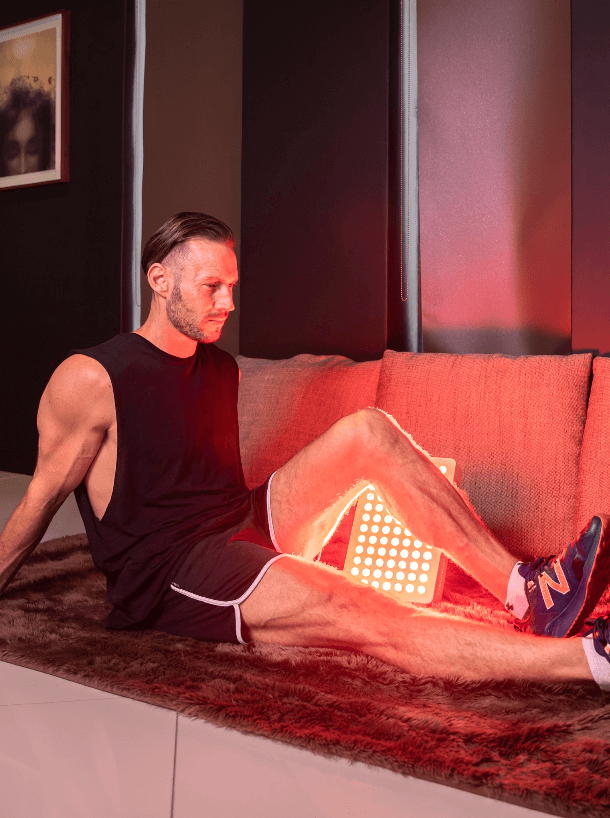
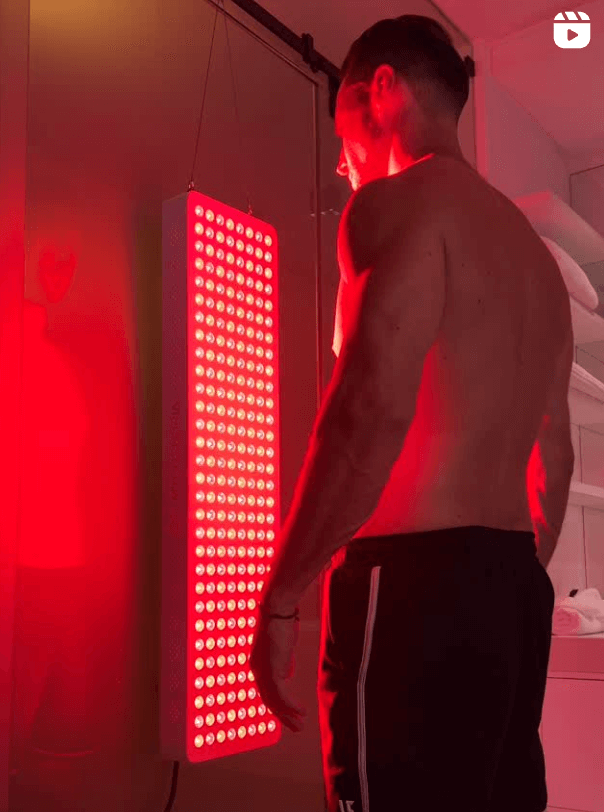
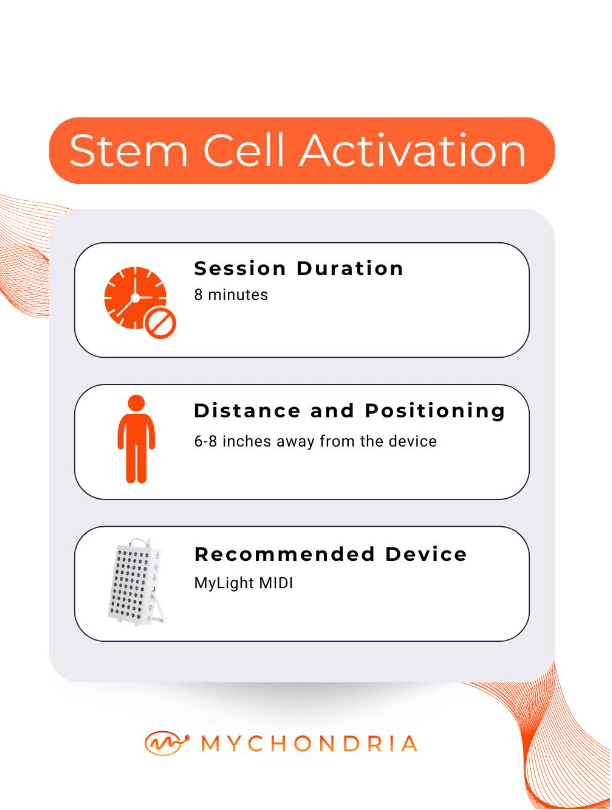
- Target a large area of the body, such as the back, torso, or legs, from a minimum distance of 6 inches
- Aim for 10 to 15 minutes per session
- Stay consistent - daily use gives the best results over time
The goal is not to use as much light as possible. The goal is to give the mitochondria a strong, effective dose of light so the cells are better prepared to use energy when food arrives.
Why Device Quality Matters
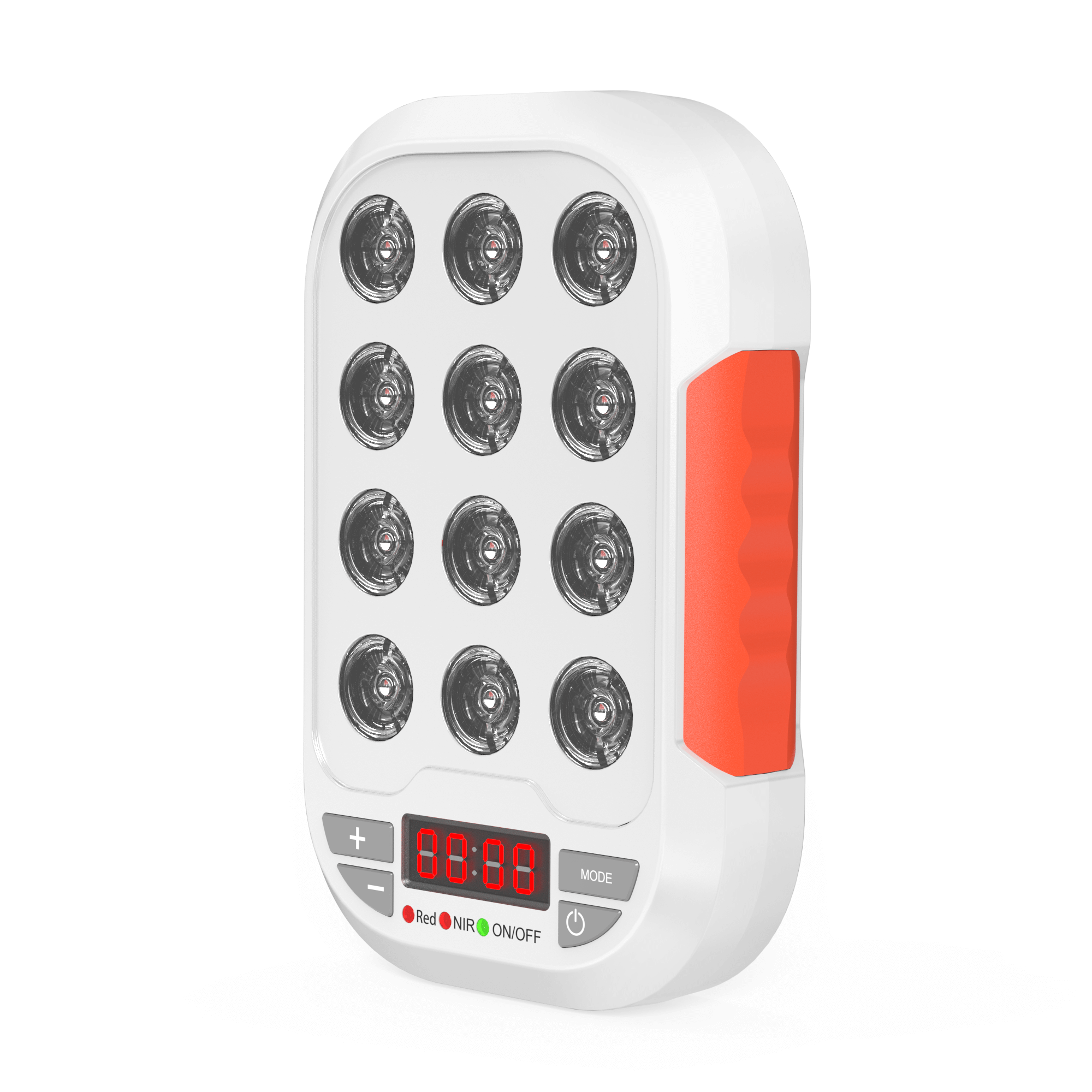
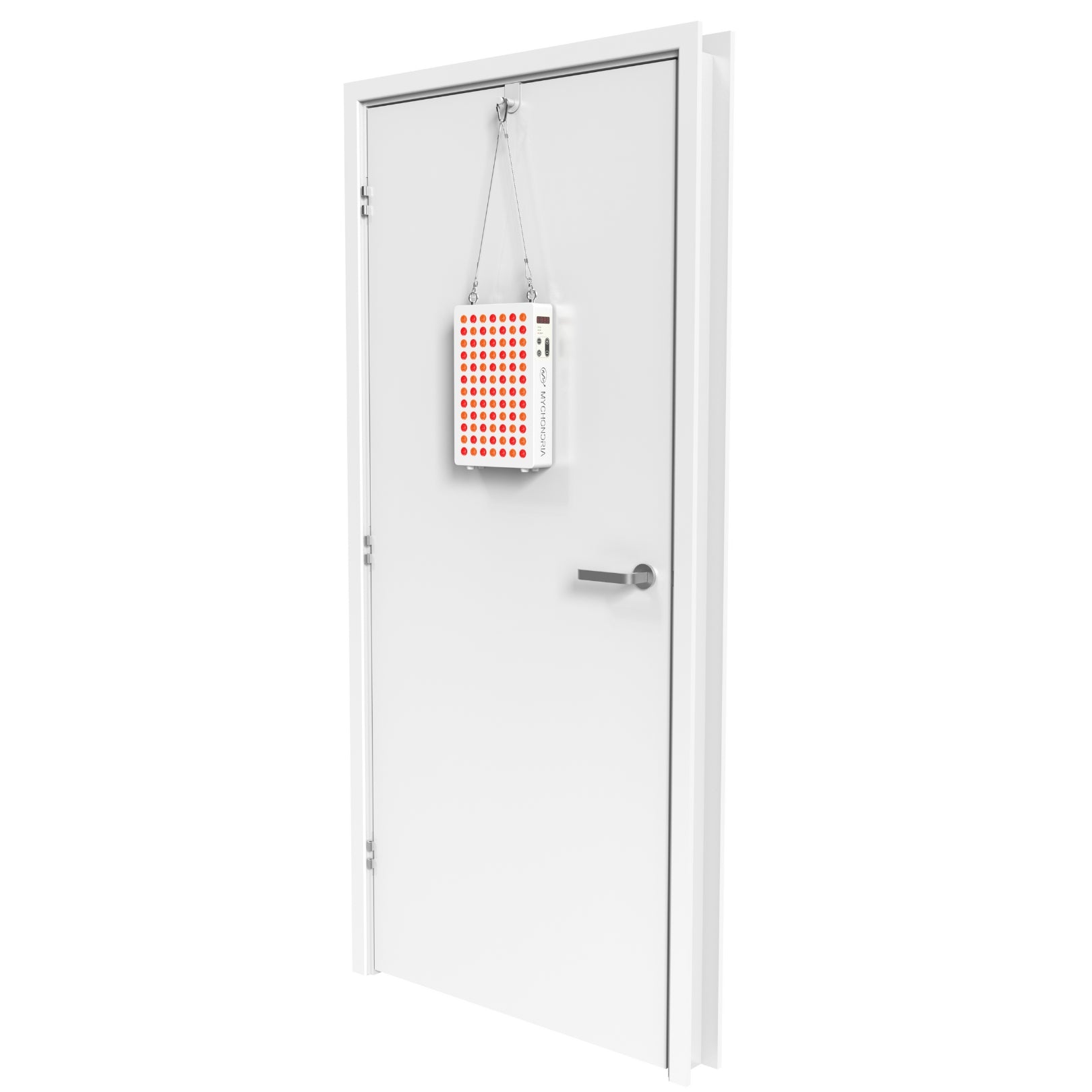
For red light therapy to work properly, the device needs to deliver clinical wavelengths at an effective intensity. That is why Mychondria devices use clinical wavelengths - 630nm, 660nm, and 850nm - which interact with the body in a way that supports mitochondrial function, circulation, inflammation control, recovery, and cellular energy.
The quality of the light matters. The distance matters. The intensity matters. The dose matters. That is why a proper red light therapy device is very different from a cheap red lamp or LED strip.
The Bottom Line
This study gives us one of the most exciting findings in red light therapy so far.
A single 15-minute session of red light reduced the blood sugar rise after glucose intake by 27.7% over two hours. That is not a small result.
It shows that red light therapy helps the body regulate glucose by supporting mitochondrial function and cellular energy use.
For people with diabetes, prediabetes, insulin resistance, or blood sugar concerns, this is a very exciting area of research.
Red light therapy is not a replacement for medical care. But it is a powerful tool for supporting the body at the cellular level - and blood sugar regulation starts inside the cells.
The key is using the right device and staying consistent.
When used regularly, red light therapy can support better energy, more stable blood sugar, and a healthier metabolic foundation.
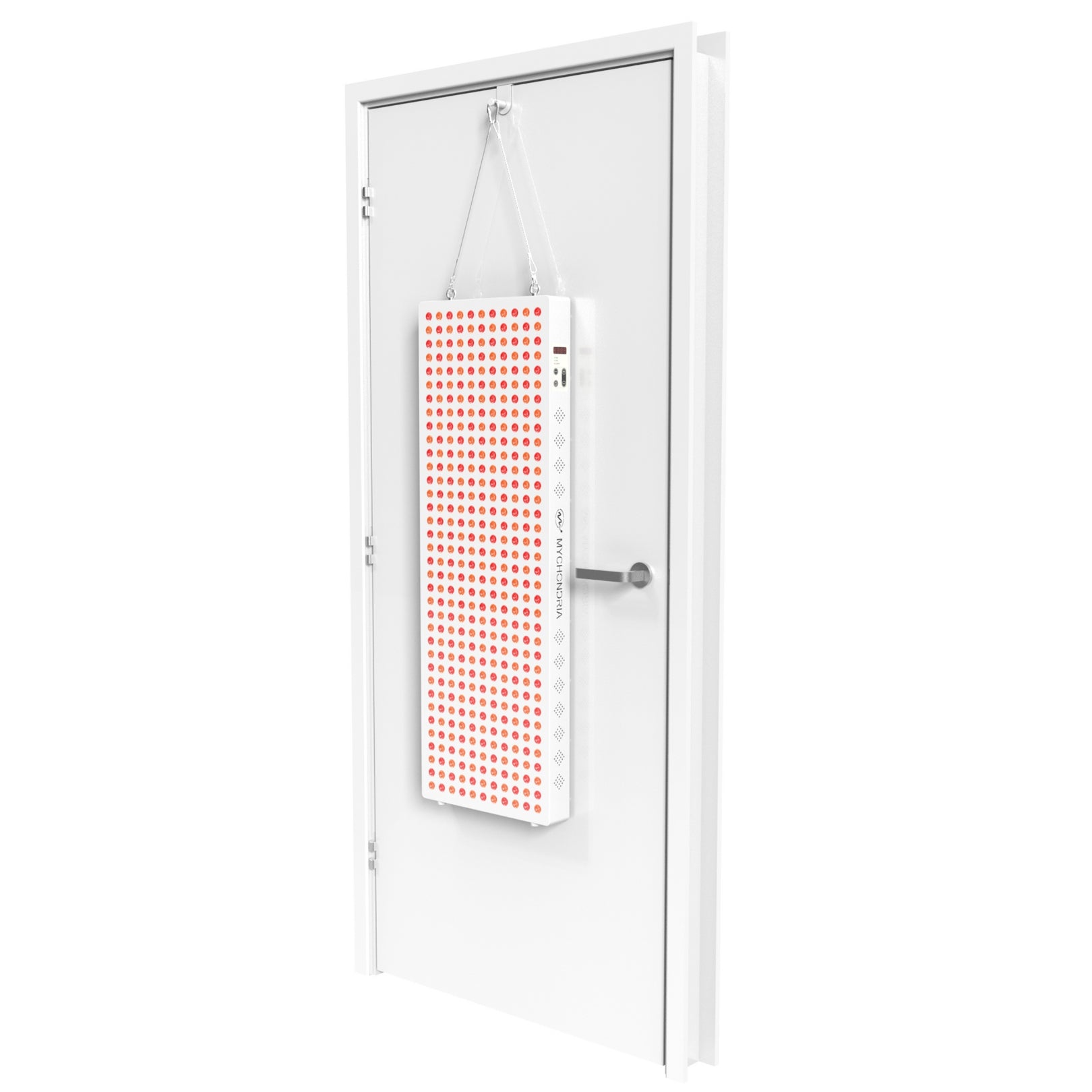
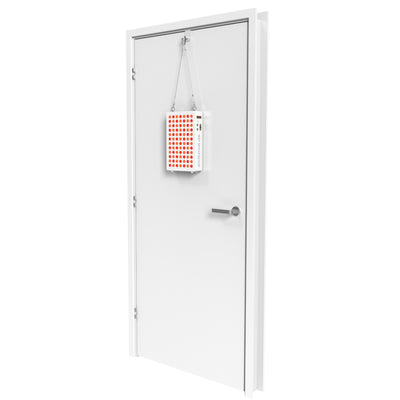
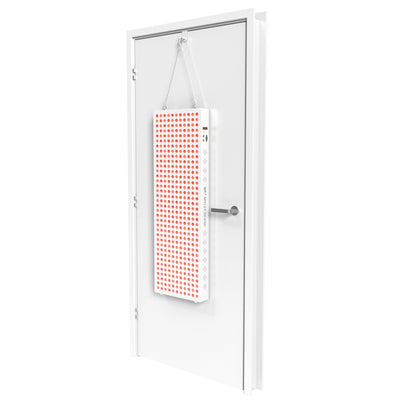
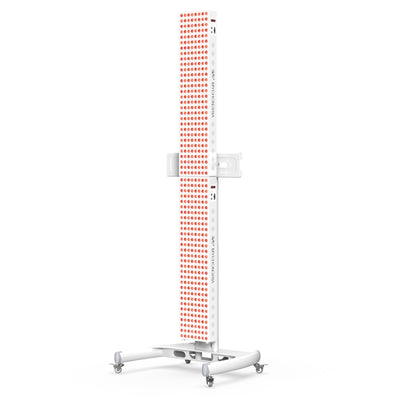
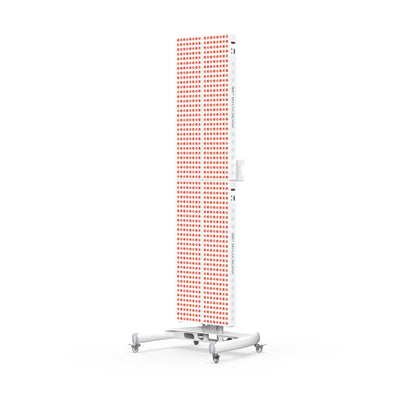
🔥 Featured Product: MyLight MIDI 2.0

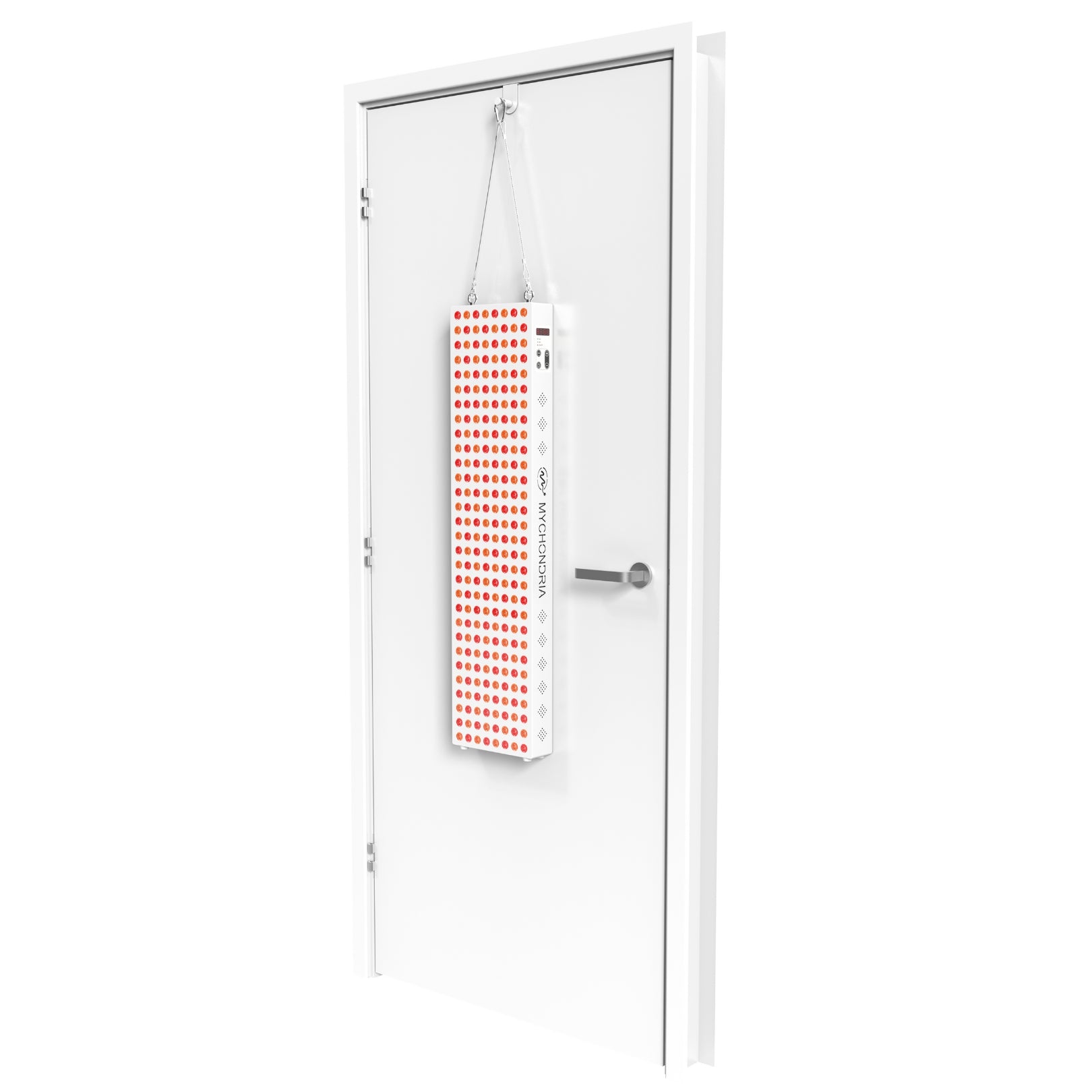
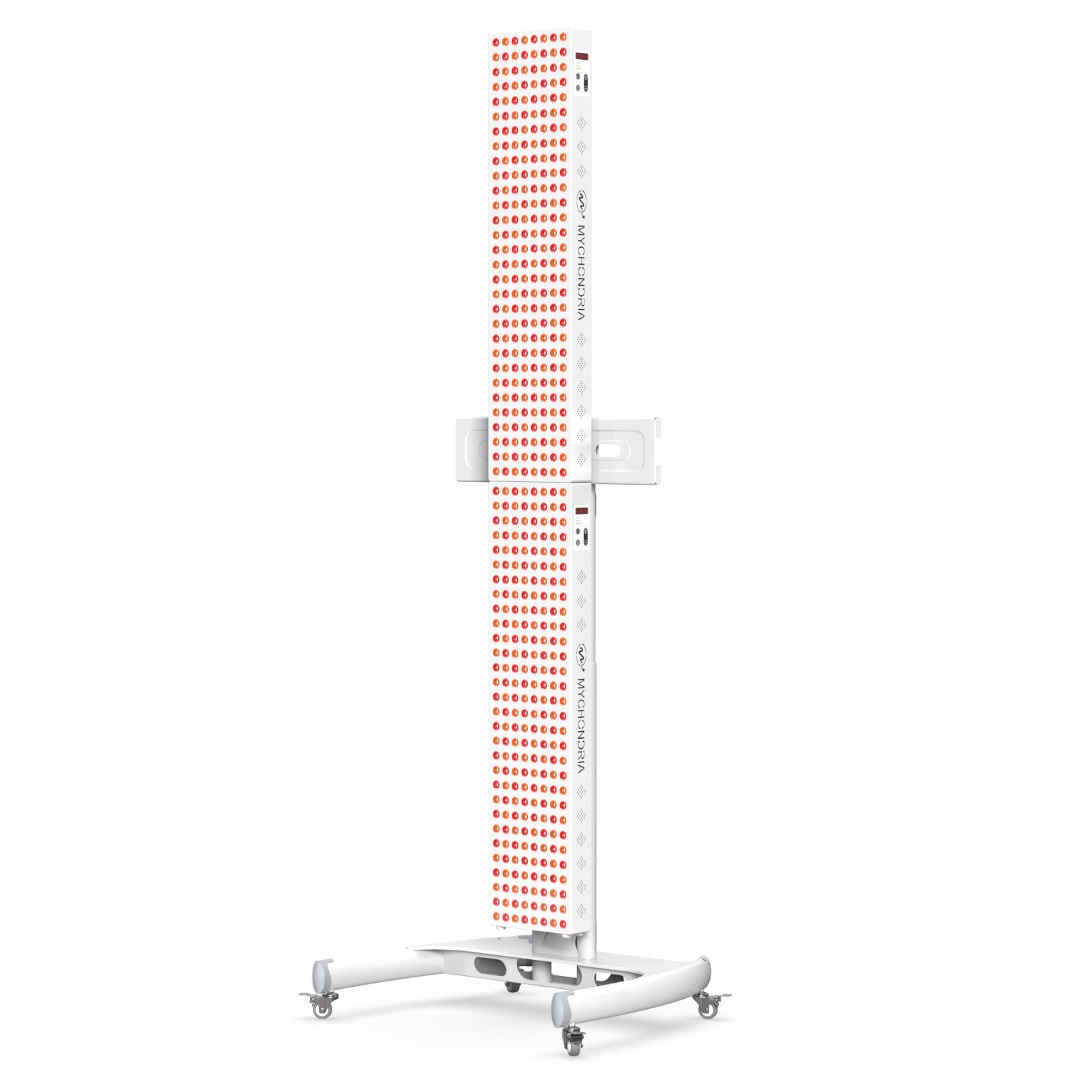
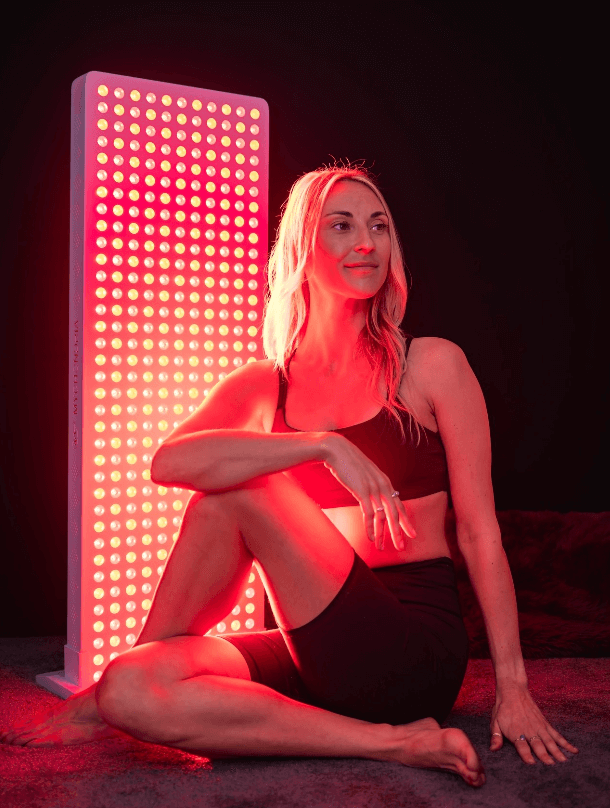
The MyLight MIDI 2.0 is a full-body panel designed for targeting large areas like the back, torso, and legs - making it ideal for the pre-meal blood sugar support protocol used in this study. It uses 630nm, 660nm, and 850nm wavelengths to support mitochondrial function, cellular energy, and metabolic health. Backed by Mychondria's 10-year warranty.
Shop Now