




Red Light Therapy for Sleep: How It Improves Deep, Restorative Sleep
Sleep is one of the most important foundations of health, yet it’s also one of the most common areas people struggle with. Difficulty falling asleep, waking up during the night, or never feeling fully rested are all signs that your sleep system is out of balance.
Red light therapy has become a powerful and natural tool for improving sleep quality, not by sedating the body, but by supporting the biology that controls how and when you sleep.

Why sleep problems are so common today
Modern life constantly pushes our nervous system into a stimulated state. Artificial lighting, screens at night, irregular schedules, stress, and indoor living all disrupt the signals your body relies on to wind down.
When these signals are off, sleep becomes lighter, more fragmented, and less restorative - even if you technically spend enough time in bed.
How sleep is regulated in the body
Your sleep is controlled by a delicate balance of hormones and timing signals.
Melatonin is the hormone that tells your body it’s time to sleep. It rises in the evening and helps initiate deep, restorative rest.
Cortisol is a stress hormone that promotes alertness. It should naturally fall at night and rise in the morning.
Your circadian rhythm acts as the internal clock that coordinates these hormones based on light exposure and routine.
When melatonin is suppressed or cortisol remains elevated at night, sleep quality suffers.

What red light therapy is
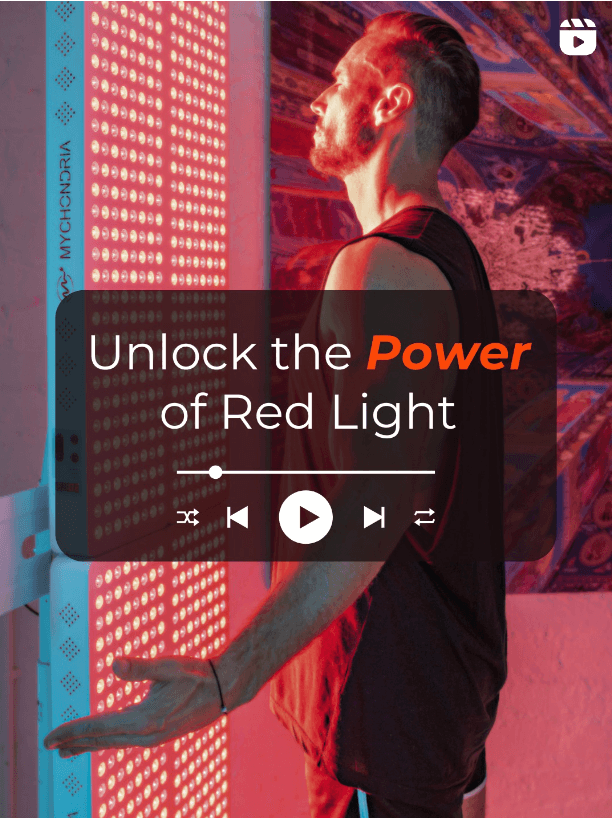
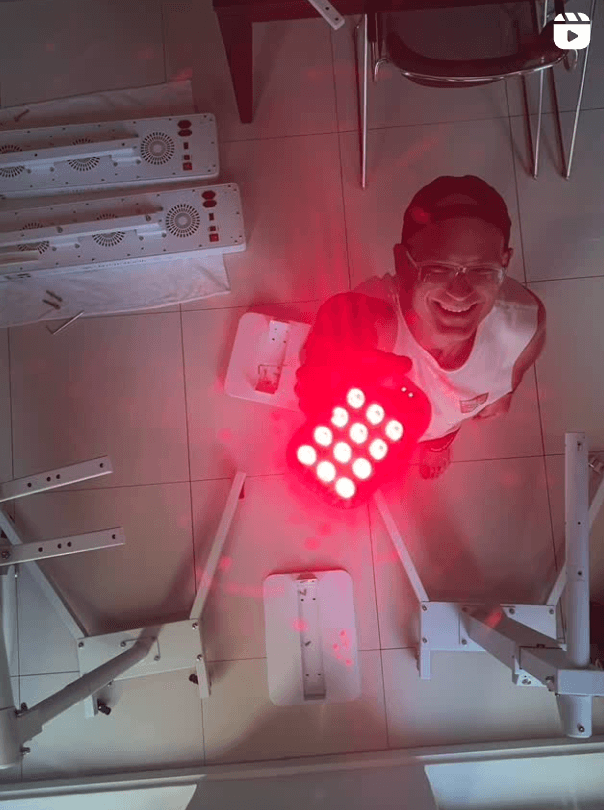
Red light therapy uses specific wavelengths of red and near-infrared light to support cellular function. These wavelengths are gentle, non-stimulating, and very different from blue light or overhead lighting.
Instead of keeping the brain alert, red and near-infrared light help signal safety and restoration to the nervous system.
How red light therapy supports better sleep
1. Supports Melatonin Production
Red and near-infrared light exposure has been shown to support the body’s natural production of melatonin, especially when used in the evening.
2. Lowers Evening Cortisol
Red light therapy helps shift the body out of stress mode, allowing cortisol levels to fall as bedtime approaches.
3. Anchors the Circadian Rhythm
Consistent evening exposure to red light helps reinforce a predictable sleep-wake cycle, even in people exposed to screens or artificial light during the day.
4. Improves Sleep Quality, Not Just Duration
Many people notice improvements in how deeply they sleep before seeing changes in total sleep time.
For a deeper explanation of how this works in practice, see this article on improving sleep quality with red light therapy.

How to use red light therapy for sleep
Red light therapy works best for sleep when used as part of an evening routine.
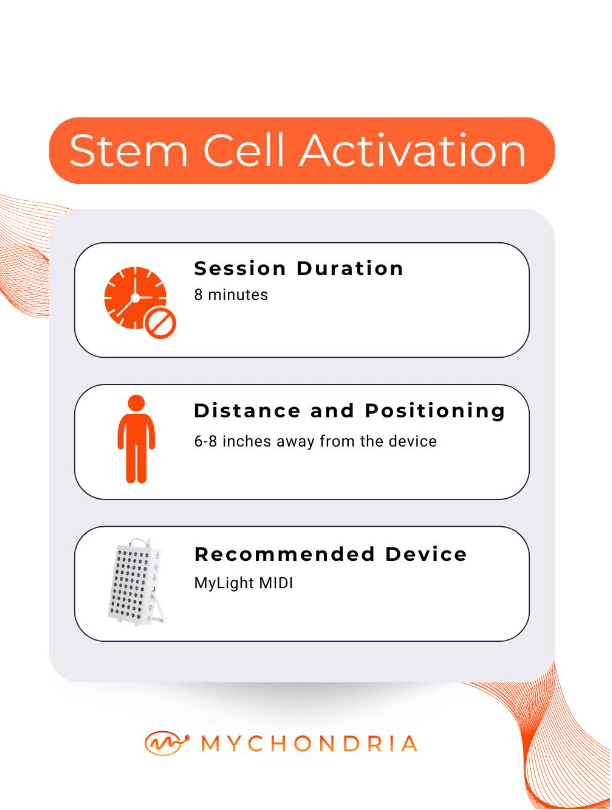
- Timing: Use red light therapy 1 to 2 hours before bed.
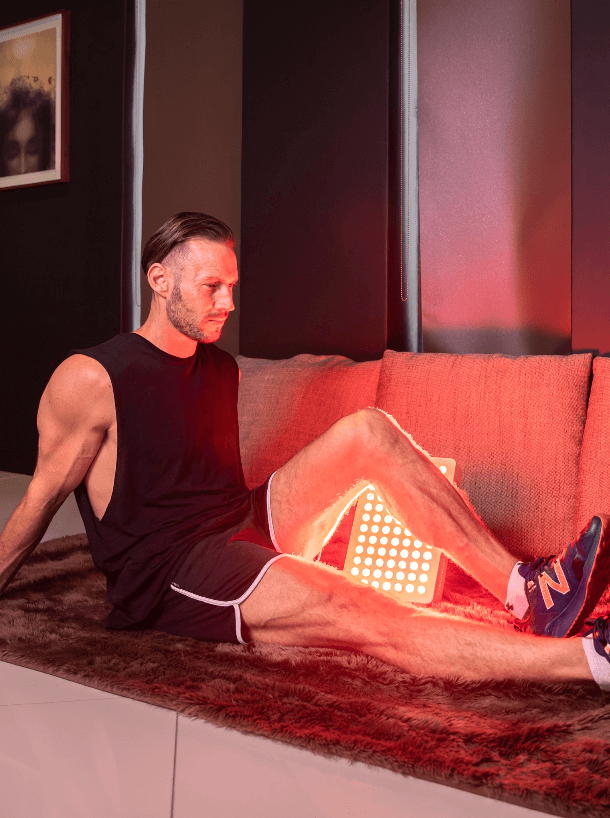
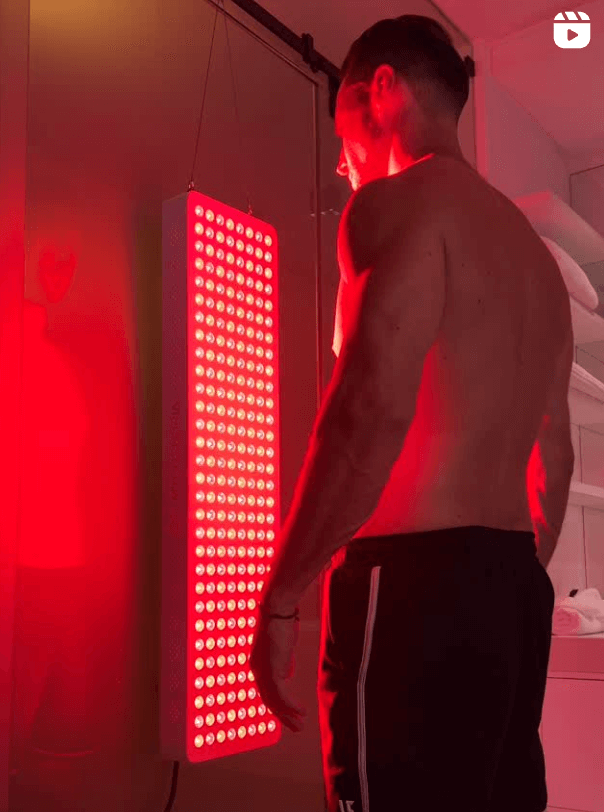
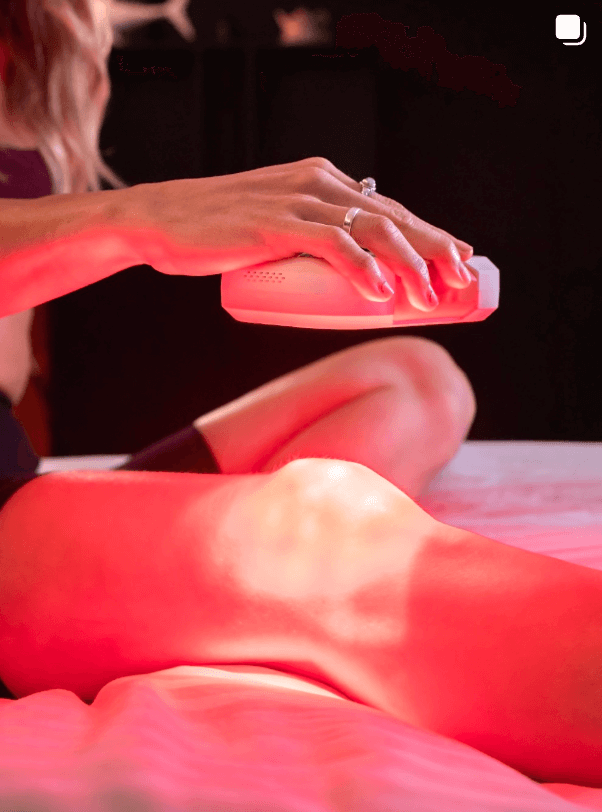
- Target areas: Focus on large areas like the chest, back, or legs.
- Distance: Panels should be used at a minimum distance of 6 inches.
- Consistency: Nightly use produces the most reliable results.
A more detailed breakdown of usage and timing can be found here: how to use red light therapy for sleep.
What results can you expect?
Some people notice changes within a few days, while others need a few weeks of consistent use.
Sleep quality often improves before total sleep time. People commonly report falling asleep more easily, waking less during the night, and feeling more refreshed in the morning.
A real-world example of this can be seen in this case study on how red light therapy improved deep sleep by 28 percent in just two weeks.

Why deep sleep matters more than total sleep
Deep sleep is the phase where physical repair, hormone regulation, and nervous system recovery take place.
You can spend eight hours in bed and still feel exhausted if deep sleep is lacking.
Red light therapy has shown particular promise in improving deep sleep quality, which is why many users feel better even before sleeping longer.
Enhancing results with a complete evening routine
Red light therapy works best when layered into a supportive evening environment.
Hydration, body temperature regulation, and mineral balance all play a role in how effectively your body transitions into deep sleep.
One advanced strategy combines red light therapy with targeted magnesium use. You can learn more about this approach in The Magnesium Protocol: How to 10x Your Sleep Quality Tonight.
Safety and common mistakes
- Using red light therapy too late at night
- Targeting very small areas only
- Inconsistent usage
- Expecting instant results without routine
Red light therapy is gentle and safe when used correctly, and most people tolerate nightly use very well.
Frequently asked questions
Can red light therapy keep you awake?
No. Red and near-infrared light do not stimulate the brain like blue light.
Is it safe to use red light therapy every night?
Yes. Consistent nightly use is often recommended for sleep support.
Should I use it on my face or body?
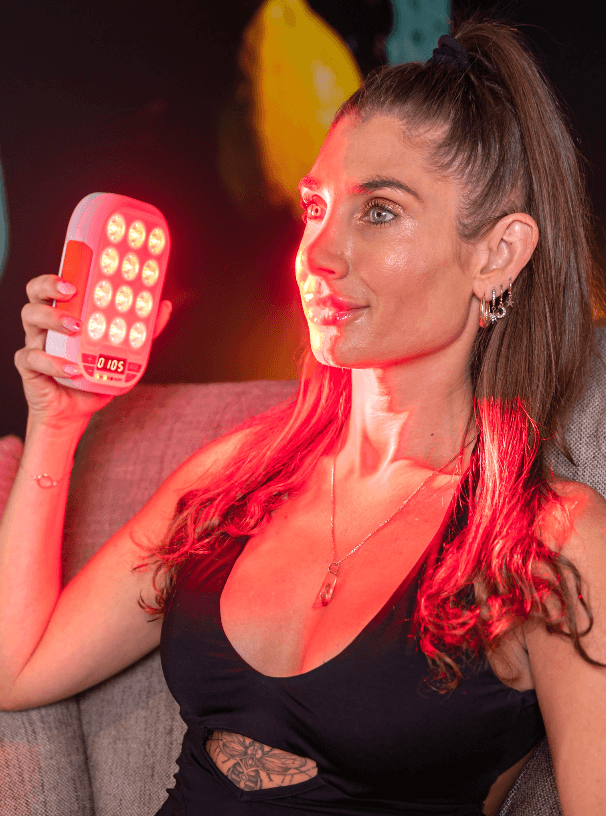
Large body areas tend to produce more systemic sleep benefits.
Does it work with supplements like melatonin or magnesium?
Yes. Red light therapy can complement these strategies when used appropriately.

Choosing the right device
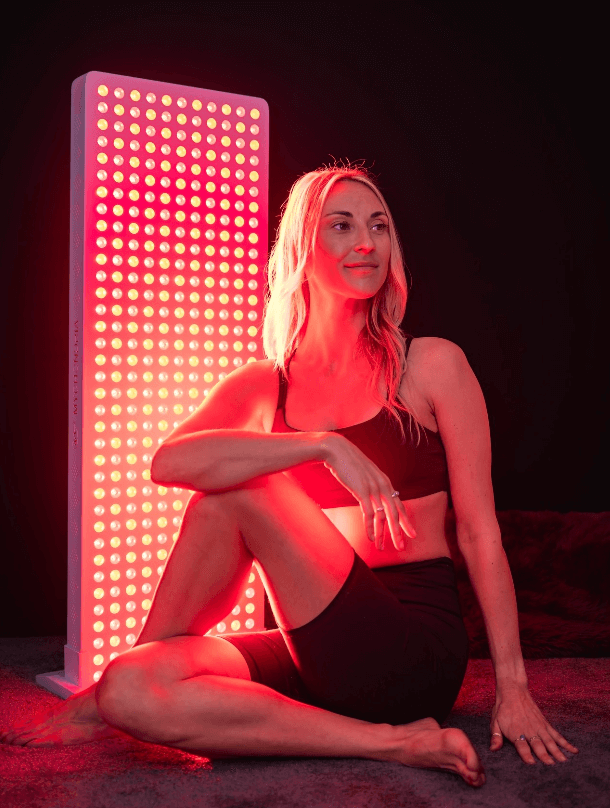
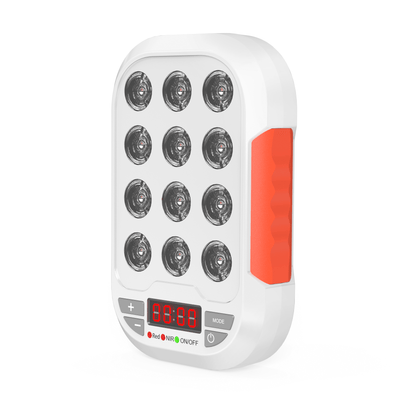
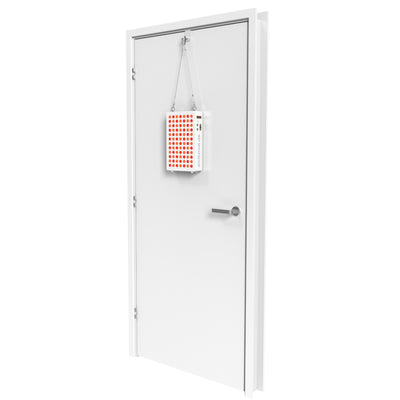
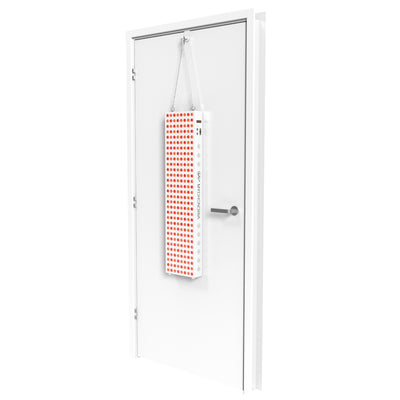
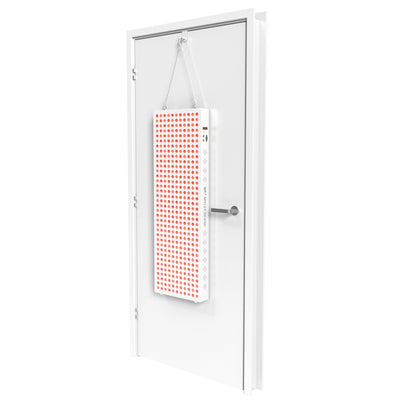
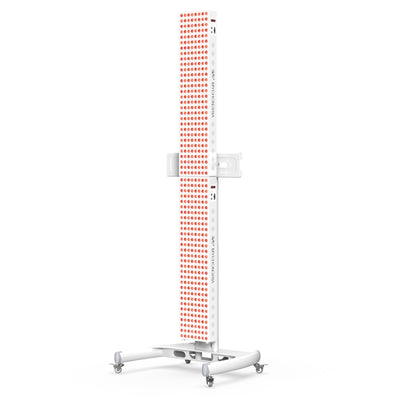
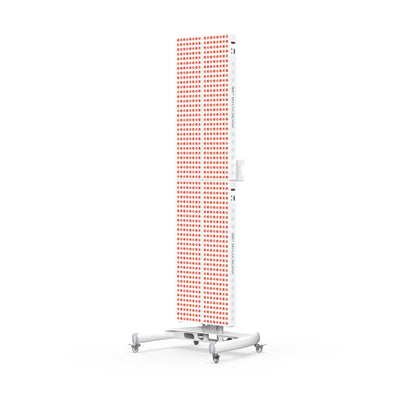
For sleep-focused routines, devices that allow comfortable targeting of large areas are ideal. Many people prefer mid-size or full-body panels for evening use.
Red light therapy works best when it becomes a calm, consistent signal that tells your body it’s time to rest.
Improving sleep is not about forcing the body to shut down.
It’s about restoring the signals that tell it when to recover.