




Flexible Red Light Therapy: Convenient, But Is It Truly Effective?
Written by: Nick Coetzee
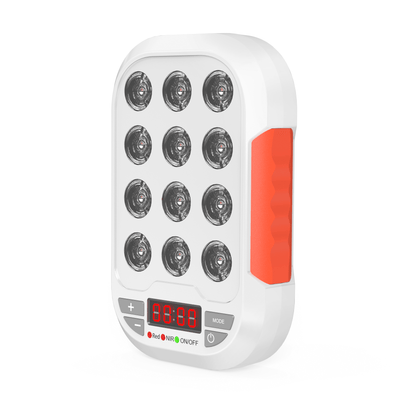
In the rapidly evolving world of red light therapy, flexible devices are popping up everywhere. They promise convenience and targeted relief, often at a lower price point.
As someone who has spent over six years developing red light therapy products, I've seen countless innovations and trends. So, the big question is: should you invest in a flexible red light therapy product?
This guide will break down the pros and cons, revealing which benefits these devices can truly deliver and where they fall short.
📌 TL;DR:
- Flexible red light therapy devices offer convenience, affordability, and low EMF (if battery-operated).
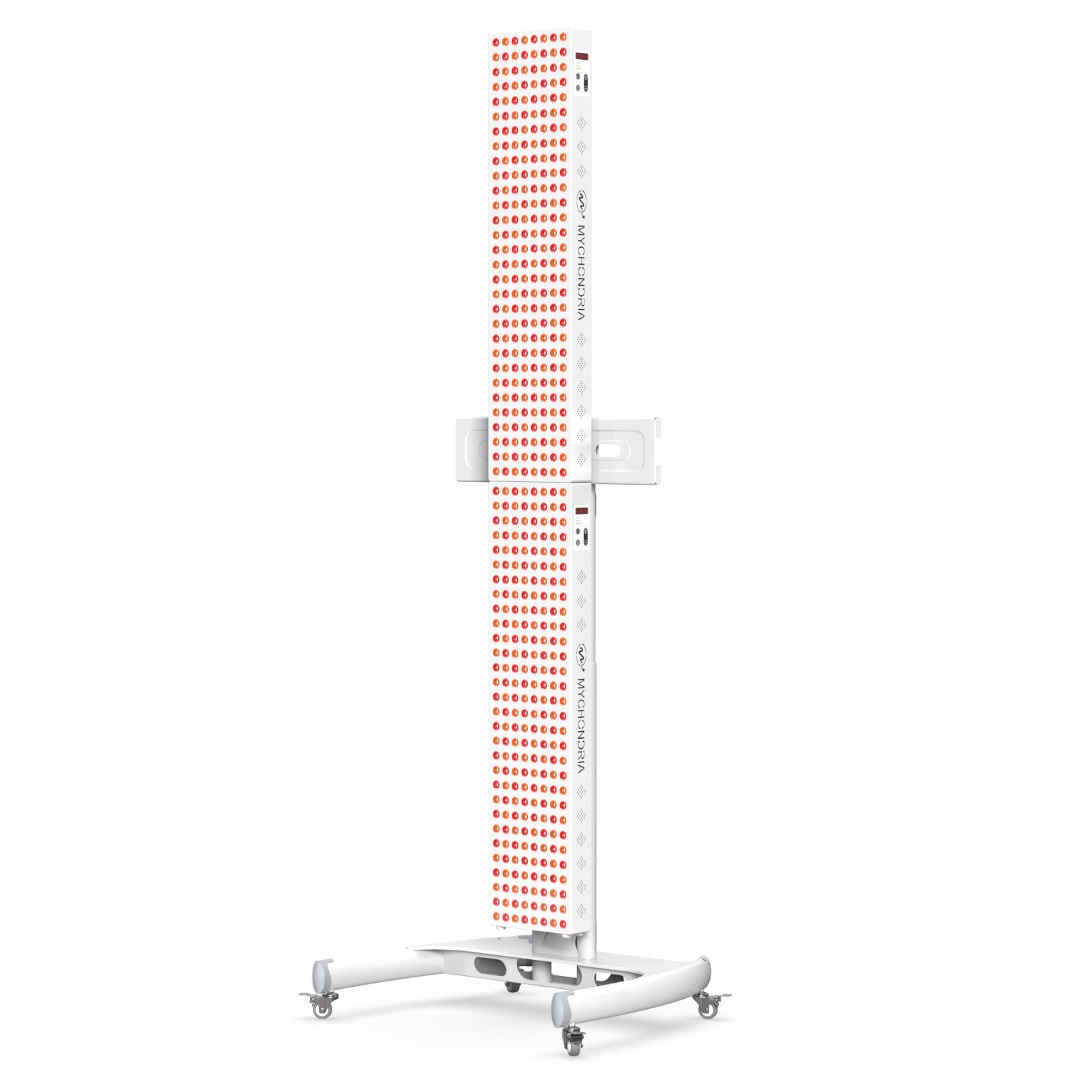
- They are generally less durable and provide significantly lower light intensity compared to RLT panels.
- Flexible products are effective for superficial benefits like skin health and anti-aging.
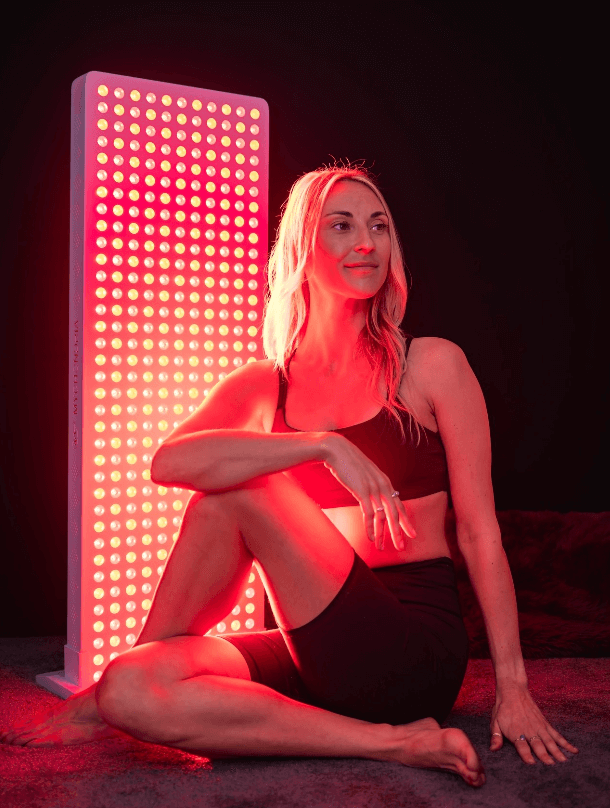
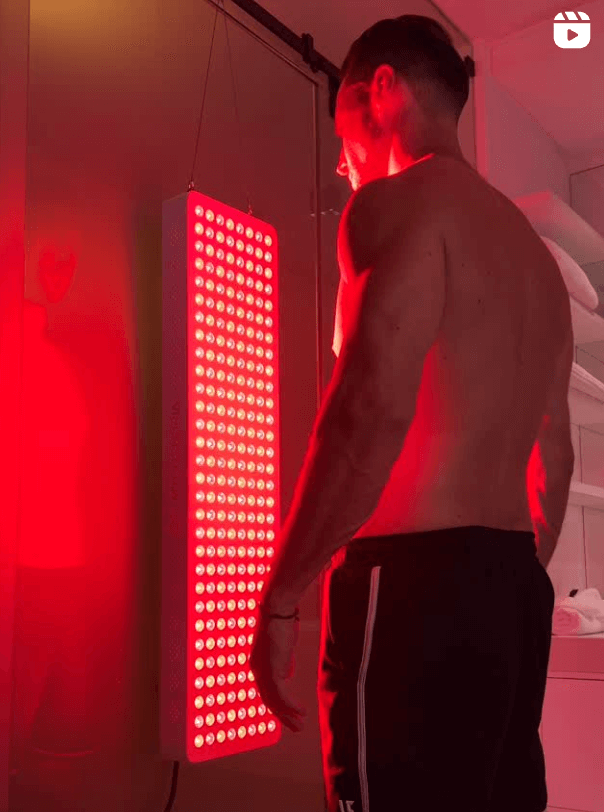
- For deep-penetrating benefits like arthritis or neuropathy, traditional red light therapy panels are far more effective.
👍 The Bright Side: Pros of Flexible Red Light Therapy
Let's start with what makes flexible red light therapy appealing:
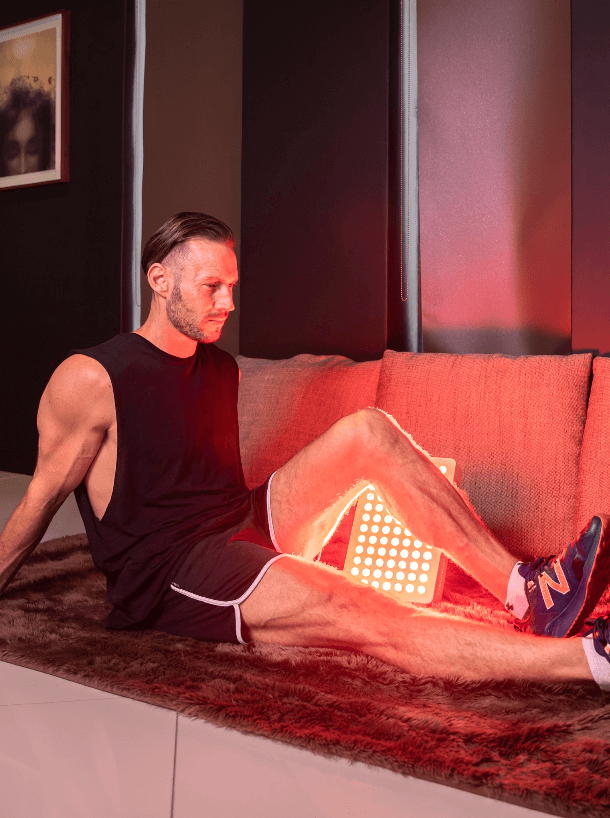
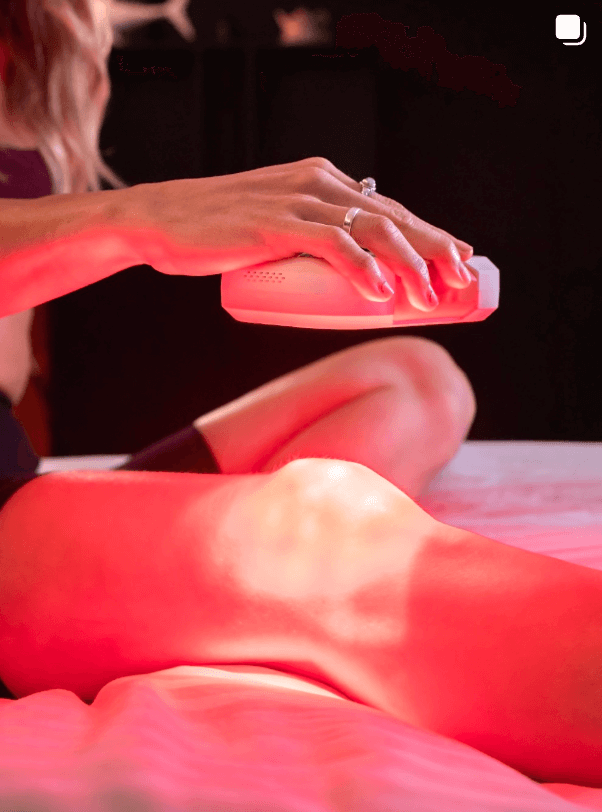
- Unmatched Flexibility: The most obvious benefit is their ability to wrap around any joint or body part. This makes them incredibly convenient for targeted application, allowing you to move freely while treating.
- More Affordable: Generally, flexible products come with a much lower price tag than full-body red light therapy panels, making them an accessible entry point for many.
- Near-Zero EMF (for some models): If you opt for a battery-operated flexible device, you often get the added benefit of near-zero electromagnetic fields (EMFs), a concern for some users.
👎 The Not-So-Bright Side: Cons & Limitations
While the pros are enticing, it's crucial to understand the limitations. Think of it like a camping chair versus your comfortable armchair at home. A camping chair is convenient and portable, but you wouldn't replace all your home furniture with it, right? The same principle applies here.
The biggest downsides stem from their structure:
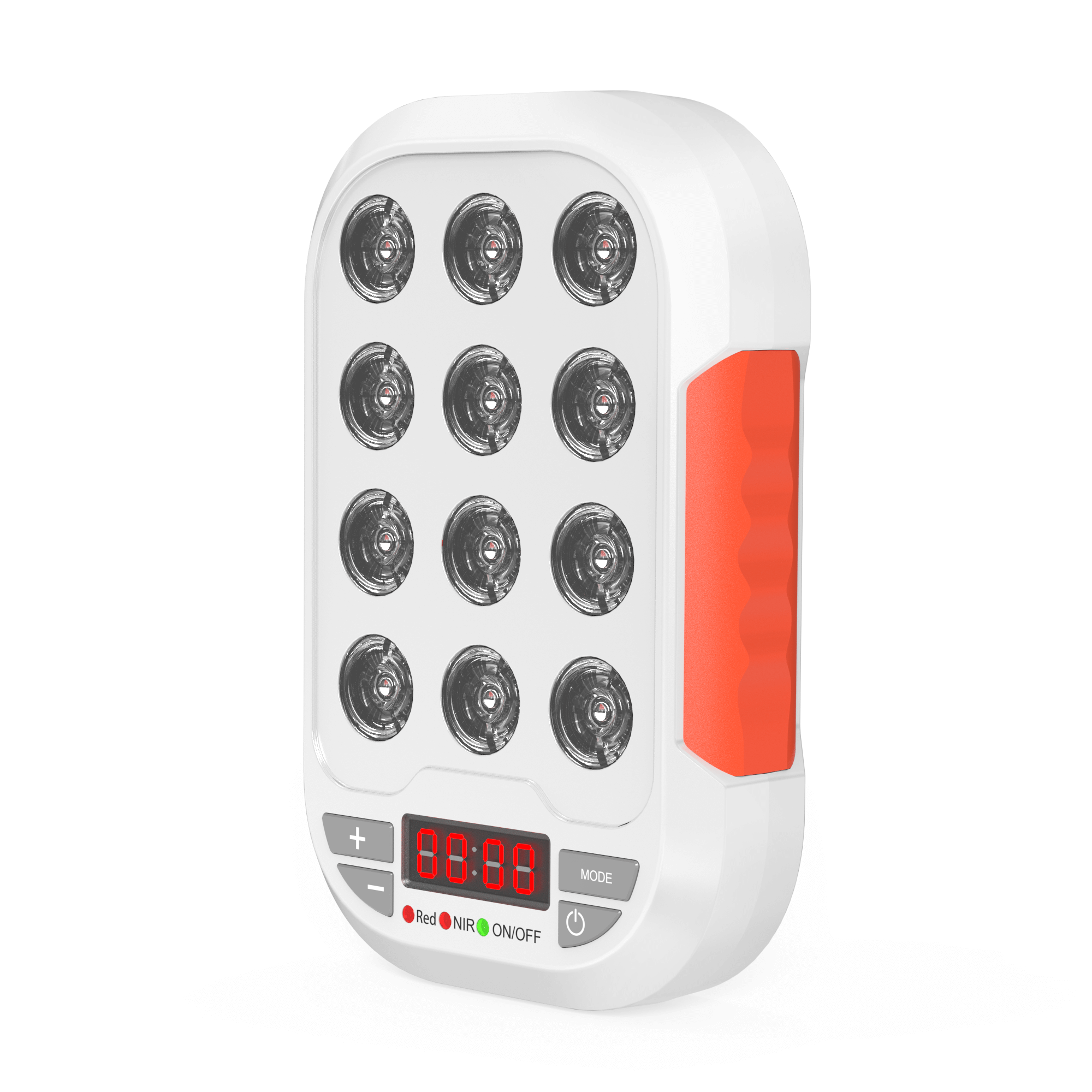
- Limited Power & Intensity: Unlike robust panels, flexible products often lack critical components like cooling fans and advanced drivers. These components in panels allow LEDs to operate at much higher power levels, delivering a stronger, more intense light output. Lower intensity means less effective treatment for deeper issues.
- Reduced Durability: Because they sacrifice many components for flexibility and affordability, these devices often have lower durability. You'll typically find warranties of 0-1 year for flexible products, whereas high-quality panels offer 2-10 year warranties.
💡 Where Flexible RLT Shines (and Where It Doesn't)
The lower light intensity of flexible products means the light doesn't penetrate as deeply into your tissues. This is key to understanding their effective applications:
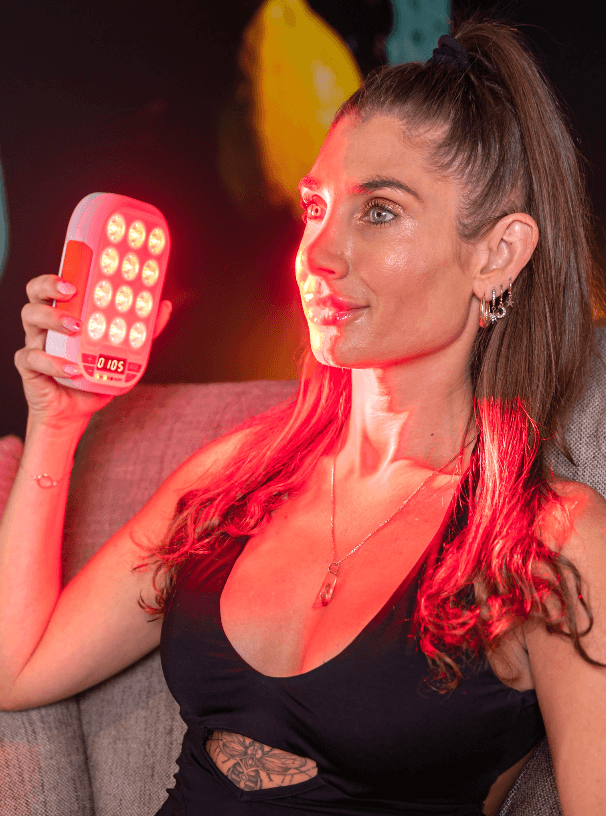
- ✅ Superficial Benefits: If your goal is to address issues close to the skin's surface – such as skin rejuvenation, anti-aging, reducing scarring, or treating superficial wounds – a flexible red light therapy product can certainly be beneficial.
- ❌ Deep Penetration Needs: Where flexible products fall short is when you need light to penetrate deeper. Many flexible products are marketed for conditions like arthritis in joints or neuropathy in feet. While convenient to wrap around a shoulder or foot, the light simply isn't powerful enough to reach the underlying inflammation or nerve tissues effectively.
🔬 Real-World Results: Panels vs. Flexible for Neuropathy
To illustrate this point, we conducted an in-house study on neuropathy using our MyLight MIDI panel. One participant had previously tried flexible red light therapy boots for their neuropathy with absolutely no improvement in symptoms. However, when they participated in our 8-week study using the MIDI panel:
- They experienced a significant reduction in pain.
- Noted an increase in sensitivity.
- Reported improved sleep quality.
This stark difference highlights the critical role of light intensity and penetration for deep-seated conditions.
🤔 Convenience vs. Efficacy: Making the Right Choice
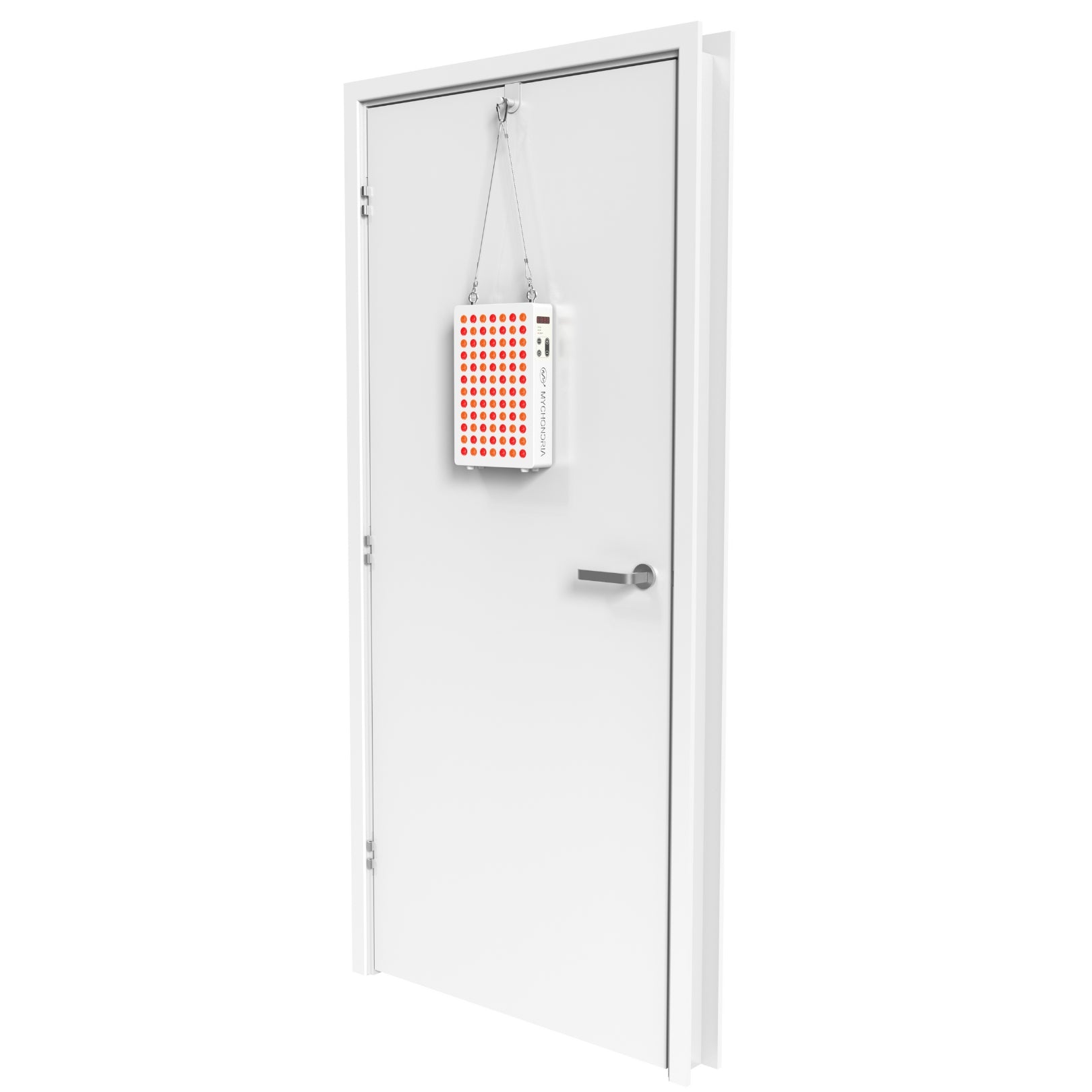
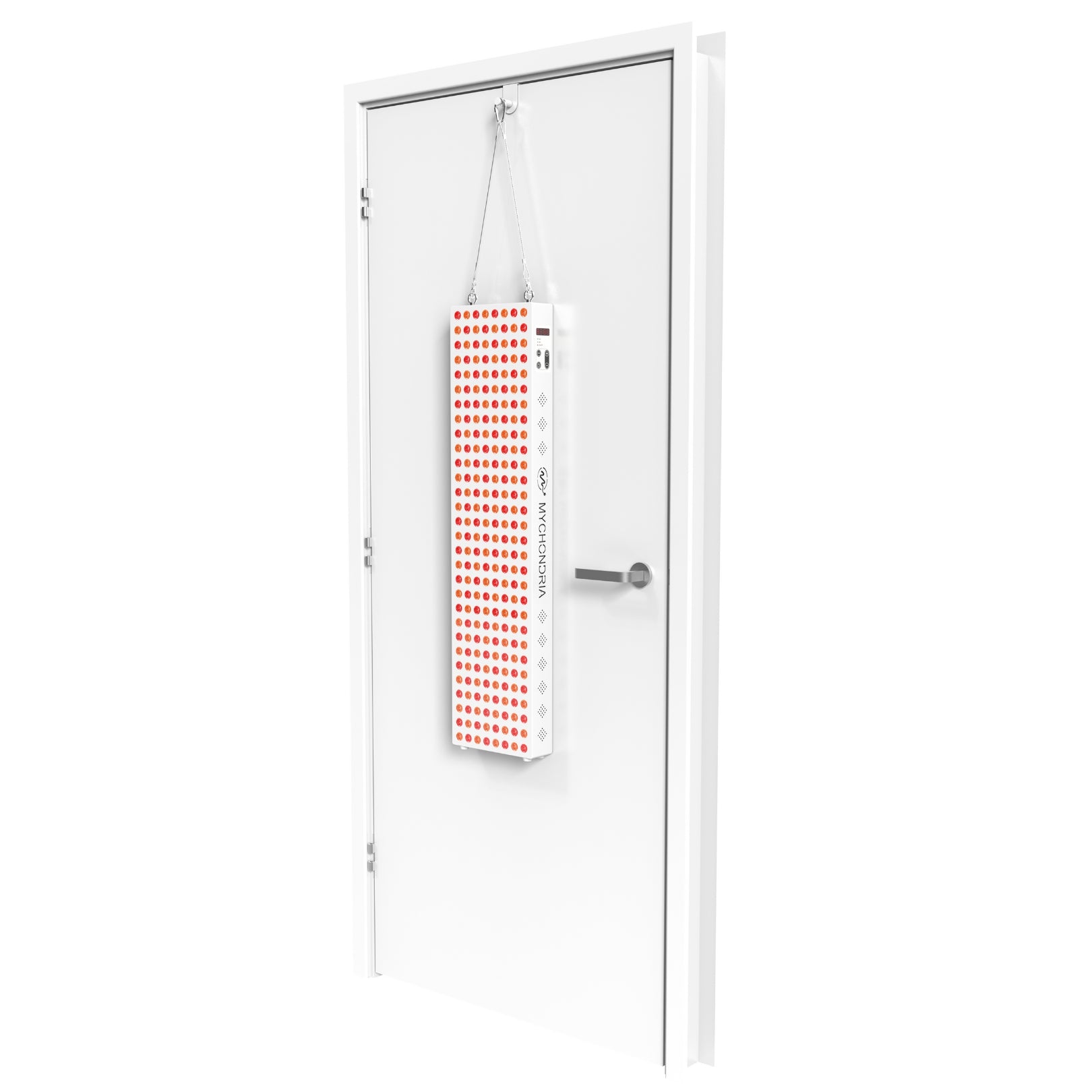
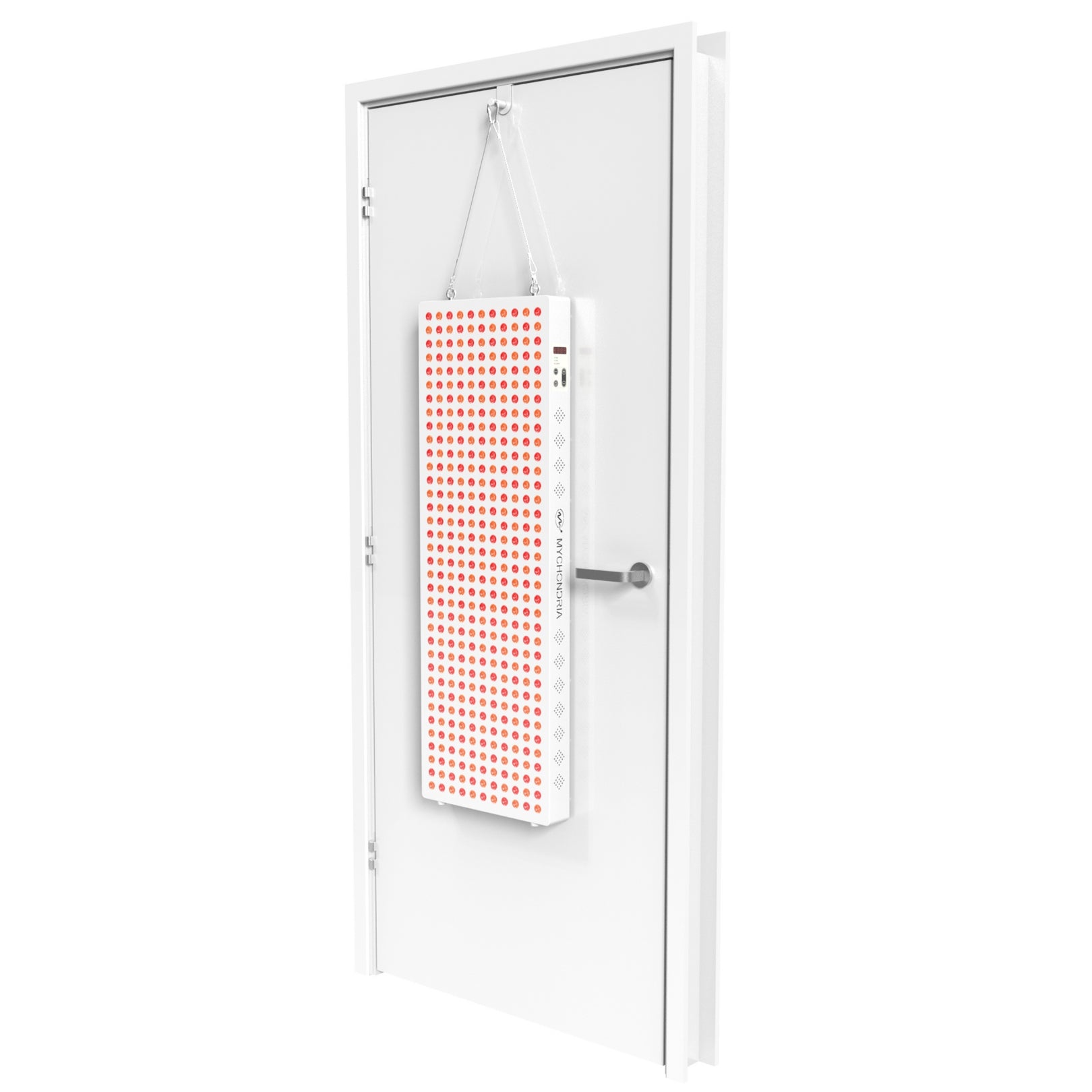
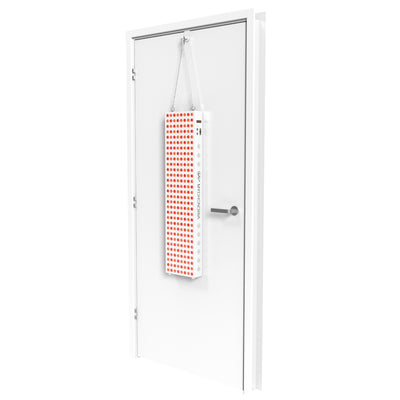
It's true that panels might seem less convenient to position than a flexible wrap. However, the superior efficacy for deep tissue concerns often outweighs the perceived convenience of flexible devices.
Ultimately, choosing the right red light therapy product depends on your specific needs. For superficial skin benefits, a flexible device might suffice. But for serious conditions requiring deep tissue penetration, a powerful panel is the clear winner.
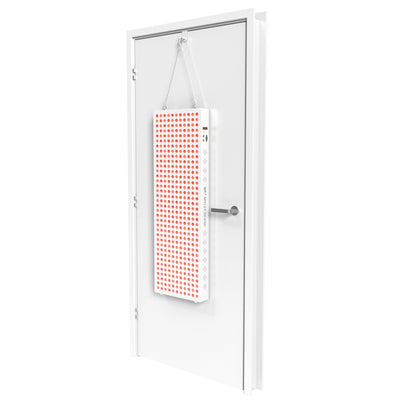
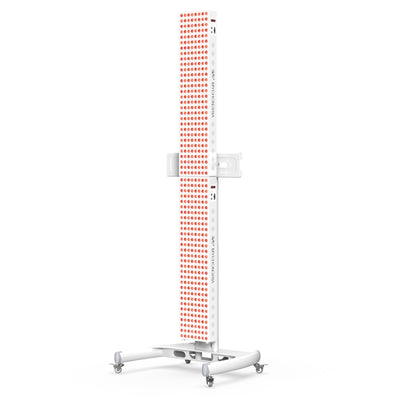
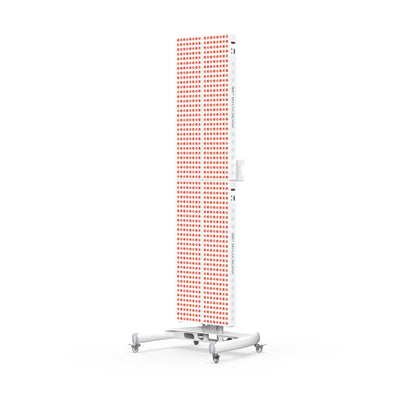
🔥 Featured Product: MyLight MIDI 2.0
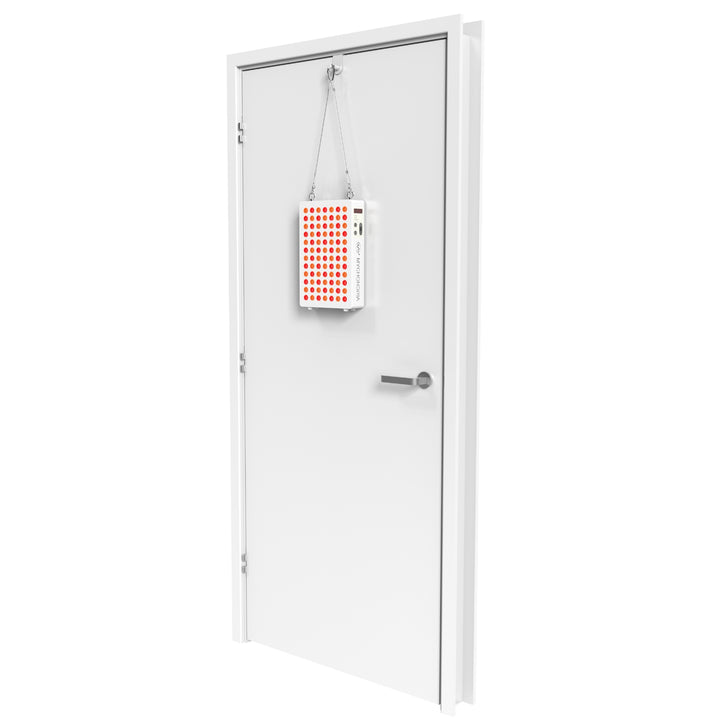
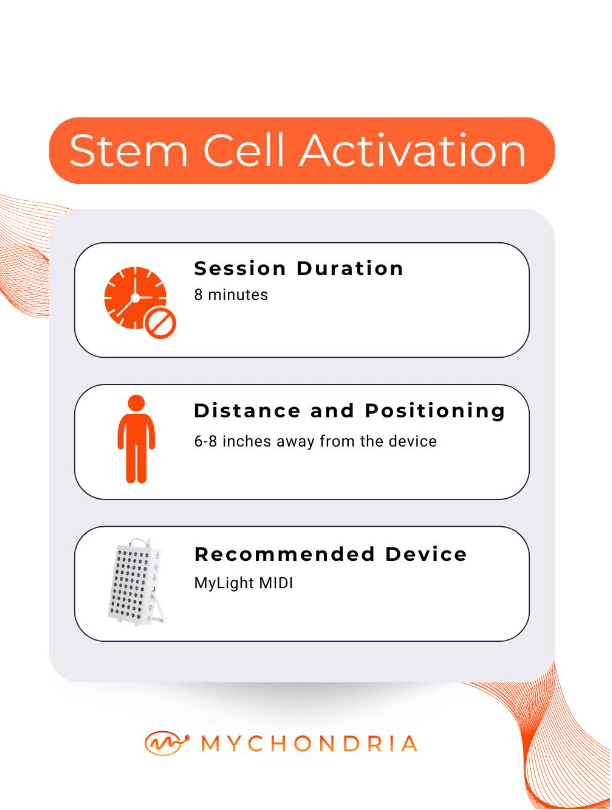
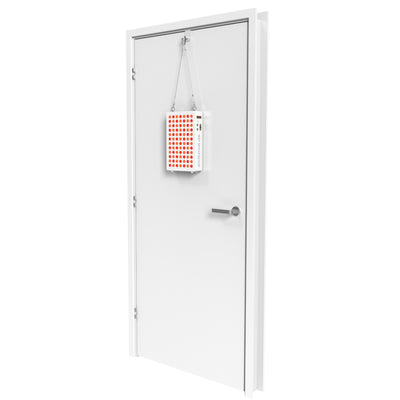
Experience the deep-penetrating power that flexible devices simply can't match. The MyLight MIDI 2.0 was the exact panel used in our successful neuropathy study, demonstrating significant improvements where flexible boots failed. Its robust design and superior light intensity ensure your body receives the therapeutic benefits needed for conditions like arthritis, muscle recovery, and nerve health. Don't compromise on results for convenience – choose the MIDI 2.0 for effective, lasting relief.
Shop Now